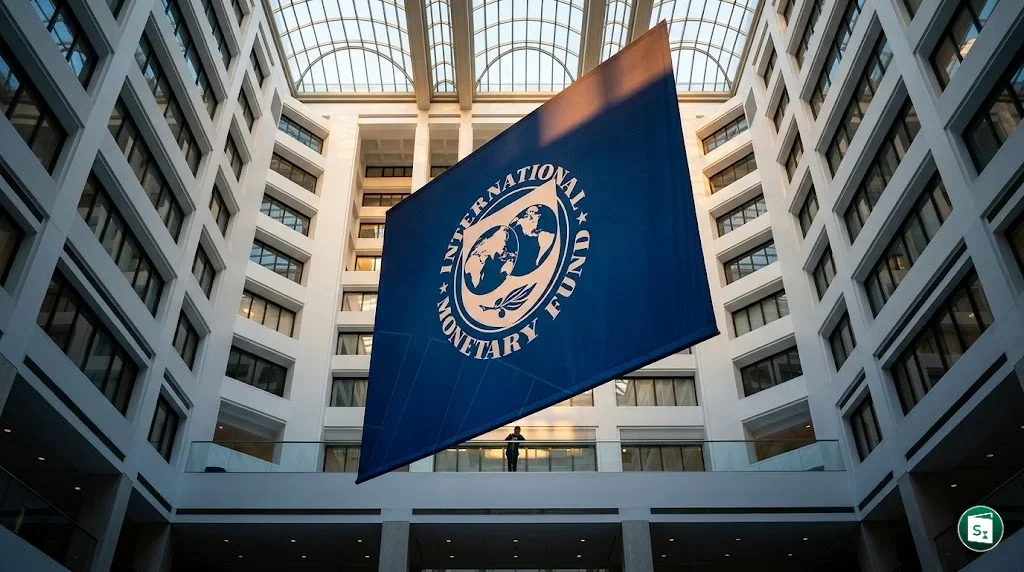
The International Monetary Fund upgraded India’s economic growth projection for the 2026-27 fiscal year to 6.5 percent in its latest World Economic Outlook report. This upward revision, increasing from the 6.4 percent estimated in January, reflects high domestic demand and a significant reduction in international trade barriers. With this update, India continues to be the world’s fastest growing major economy despite a cooling global economic environment.
Revised Growth Projections for FY 2026-27
The International Monetary Fund (IMF), which is headquartered in Washington, D.C. and was established in 1944, released its biannual World Economic Outlook (WEO) report on April 15, 2026. In this comprehensive assessment, the organization raised India’s Gross Domestic Product (GDP) growth forecast for the fiscal year 2026-27 to 6.5 percent. This marks a 10 basis point increase from the earlier projection of 6.4 percent issued during the January update.
The revised figures also maintain a steady growth trajectory for the subsequent fiscal year, with the 2027-28 projection also held at 6.5 percent. In India, the fiscal year starts on April 1 and concludes on March 31. The IMF’s decision to raise the forecast underscores the resilience of the Indian economy at a time when several other major economies are witnessing a slowdown in their growth rates.
Key Drivers of the Upward Revision
The IMF highlighted two primary factors that contributed to the optimistic outlook for India’s economy. The first is a favorable shift in trade policy, while the second relates to the strong performance in the preceding year which provided a solid base for future expansion.
Impact of US Tariff Reductions
A major catalyst for the revised forecast is the reduction in US tariffs on Indian goods. Previously set at a high of 50 percent, additional tariffs have been slashed to 10 percent. This reduction is expected to significantly boost India’s export sector by making Indian products more competitive in the American market. The ease in trade tensions helps offset other global pressures, such as rising logistics costs and supply chain disruptions.
Momentum from Previous Fiscal Performance
The economist’s outlook also points to a strong carry-over effect from the 2025-26 fiscal year. India’s growth estimate for the previous year was significantly revised upward to 7.6 percent, reflecting better than expected performance in the second and third quarters. Strong domestic consumption, robust manufacturing activity, and increasing public infrastructure spending during that period created a sustainable momentum that is expected to continue into the current and next fiscal years.
Global Economic Context and India’s Dominance
While India’s growth projection received an upgrade, the global economic outlook presents a more cautious picture. The IMF downgraded its global growth projection for 2026 to 3.1 percent, which is a drop from the 3.3 percent predicted in the January report. Rising geopolitical risks and volatility in energy markets have contributed to this downward adjustment for the world economy.
Despite these global headwinds, India remains the fastest growing major economy in the world. The country is expected to outpace other large economies, including China and the United States, in both 2026 and 2027. This divergent trend highlights the underlying strength of India’s domestic economic drivers, which have shielded it from the more severe impacts of the global slowdown.
Potential Risks and Structural Challenges
The IMF report also cautions that several risks could dampen the projected growth. The primary concern remains the ongoing conflict in West Asia, which has the potential to trigger energy supply shocks and increase the prices of crude oil. Since India is a major importer of oil, any sustained increase in prices would exert upward pressure on inflation and impact the country’s fiscal balance.
Additionally, the volatility in global financial markets and the possibility of higher interest rates in developed economies could affect capital flows to emerging markets like India. The organization emphasized that while the current momentum is strong, maintaining it will require continued focus on structural reforms. These include enhancing the efficiency of the power sector and further simplifying the regulatory environment for businesses.
Key Takeaways
- The International Monetary Fund (IMF) revised India’s GDP growth forecast for the 2026-27 fiscal year upward to 6.5 percent.
- India is projected to maintain its position as the fastest growing major economy globally in both 2026 and 2027.
- The revision was driven by a reduction in US tariffs on Indian goods, which dropped from 50 percent to 10 percent.
- India’s growth estimate for the 2025-26 fiscal year was also revised upward to 7.6 percent due to strong domestic momentum.
- The IMF’s World Economic Outlook downgraded the total global growth prediction for 2026 to 3.1 percent.
- Strategic risks to India’s growth include energy supply shocks stemming from the ongoing conflict in West Asia.