The Union Ministry of Health and Family Welfare (MoHFW) has officially released the updated guidelines for the Rashtriya Bal Swasthya Karyakram (RBSK) 2.0, marking a major shift toward holistic child healthcare. Launched during the 10th National Summit on Good Practices and Innovations in Public Healthcare in Chandigarh, the new framework integrates mental health and behavioural screening for the first time. This initiative aims to provide comprehensive lifecycle-based health coverage for more than 27 crore children and adolescents across India.
Evolution of the Rashtriya Bal Swasthya Karyakram
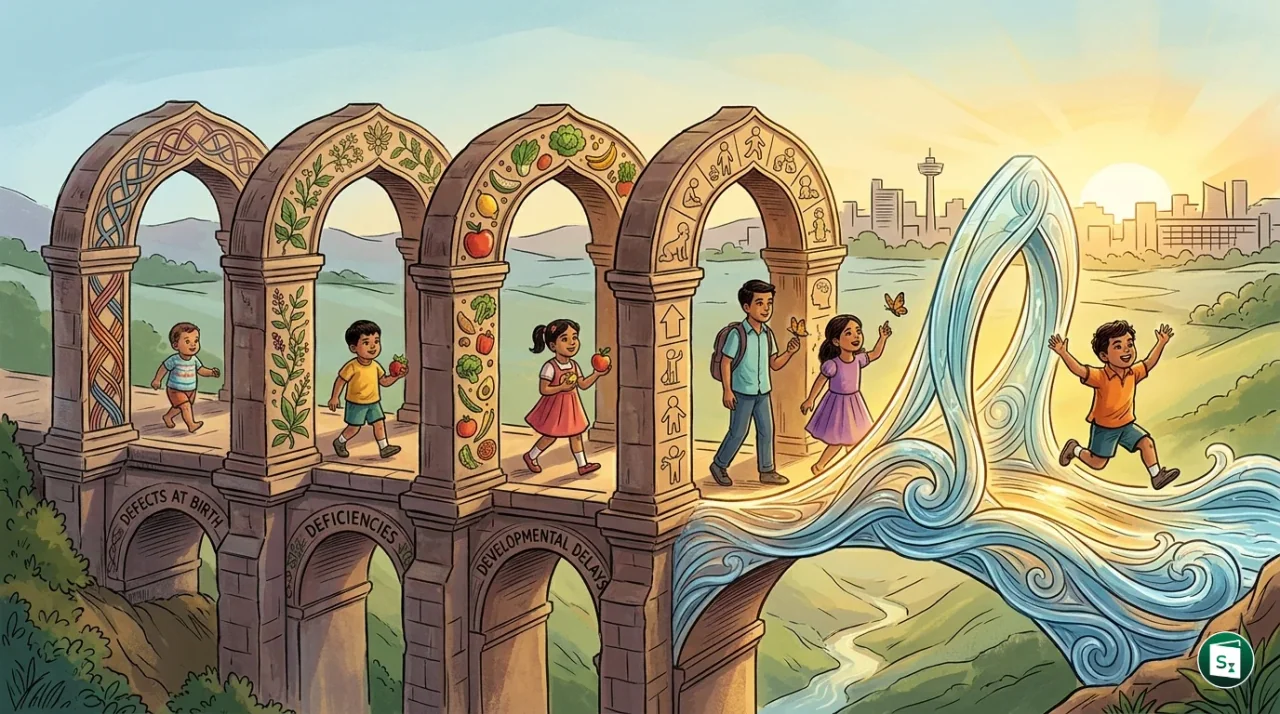
The Rashtriya Bal Swasthya Karyakram (RBSK) was originally launched in February 2013 as part of the National Health Mission (NHM). Inaugurated in the Palghar district of Maharashtra, the programme was designed to reduce the disease burden in children and improve their quality of life. It targeted the early identification and management of conditions grouped under the “4Ds” model, which includes Defects at Birth, Diseases, Deficiencies, and Developmental Delays.
Since its inception, the initiative has screened millions of children through dedicated Mobile Health Teams (MHTs). These teams typically comprise medical officers from the AYUSH or MBBS streams, along with paramedics and staff nurses. The programme operates by visiting Anganwadi centres for children aged 6 weeks to 6 years and government schools for those between 6 and 18 years. The transition to RBSK 2.0 reflects a decade of learning and the need to address modern health challenges like mental well-being and lifestyle disorders.
What’s New in RBSK 2.0?
The revised RBSK 2.0 framework significantly broadens the screening criteria to address emerging health threats in the younger population. While the original programme focused heavily on survival and physical impairments, the new guidelines introduce a more holistic approach.
Integration of Mental Health and Behavioural Screening
One of the most critical additions in RBSK 2.0 is the formal inclusion of mental health conditions and behavioural disorders in the national screening mandate. Mobile health teams will now be trained to identify early signs of anxiety, depression, and attention-related concerns among students. This move acknowledges the rising psychological pressure on adolescents and ensures that mental health is treated with the same urgency as physical ailments.
Tackling Non-Communicable Diseases (NCDs)
RBSK 2.0 introduces screening for risk factors associated with non-communicable diseases such as diabetes and hypertension. To facilitate this, the ministry has introduced the “4Ts” method, which stands for Toilet, Thirsty, Tired, Thinner, and is specifically designed for early detection of Type 1 diabetes in children. Additionally, screening for kidney disorders has been added to the framework, ensuring that chronic conditions are identified before they reach advanced stages.
Digital Transformation: The Introduction of Digital Health Cards
A cornerstone of the RBSK 2.0 guidelines is the integration of digital health solutions to ensure a seamless continuum of care. The ministry has introduced digital health cards for every screened child, which will serve as a unified health profile from birth to 18 years. This system is designed to provide real-time data tracking, allowing health officials to monitor a child’s progress as they move from community-level screening to hospital-based treatment.
The digitalization effort aims to minimize referral dropouts. By maintaining a longitudinal health record, the programme ensures that any child identified with a health condition is tracked until they receive the necessary curative care, whether it is at a primary health centre or a tertiary care hospital.
The Operational Model: 4Ds and Screening Mechanisms
The operational strategy of RBSK continues to rely on a structured screening process conducted at different stages of a child’s life. The programme is delivered through a tiered approach involving multiple stakeholders.
| Screening Level | Target Group | Delivery Mechanism |
|---|---|---|
| Facility-based | Newborns at public hospitals | Medical officers and nurses |
| Community-based | Newborns up to 6 weeks | ASHA workers during home visits |
| Anganwadi-based | Children aged 6 weeks to 6 years | Mobile Health Teams (MHTs) |
| School-based | Students aged 6 to 18 years | Mobile Health Teams (MHTs) |
Children identified with any of the “4Ds” are referred to District Early Intervention Centres (DEICs). These centres act as hubs for confirmation of diagnosis and provide interdisciplinary care involving paediatricians, psychologists, and therapists. One of the unique features of this programme is that all confirmed treatments, including complex surgeries at tertiary hospitals, are provided free of cost to the families.
Strategic Significance for India’s Public Health
The launch of RBSK 2.0 represents a strategic evolution in India’s public health policy, shifting the focus from simple survival to thriving. By expanding coverage to mental health and non-communicable diseases, the government is addressing the “silent epidemics” that affect the country’s human capital. Early intervention not only prevents long-term disability but also reduces the massive out-of-pocket expenditure that often pushes families into poverty.
Furthermore, the emphasis on digital tracking aligns with the broader goals of the Ayushman Bharat Digital Mission (ABDM). By creating a robust database of child health, the ministry can better plan resource allocation and policy interventions based on regional health trends. This lifecycle-based approach ensures that India’s future workforce grows up healthy, both physically and mentally.
Key Takeaways
- The Rashtriya Bal Swasthya Karyakram (RBSK) 2.0 guidelines were released in May 2026 during the 10th National Summit on healthcare innovations in Chandigarh.
- The updated framework expands child health screening to include mental health conditions and behavioural disorders for the first time.
- A new digital health card system has been introduced to track child health records from birth until the age of 18 years.
- The programme utilizes the “4Ts” method (Toilet, Thirsty, Tired, Thinner) to screen for Type 1 diabetes and other non-communicable diseases in children.
- RBSK focuses on the “4Ds” model, which stands for Defects at Birth, Diseases, Deficiencies, and Developmental Delays.
- Identified children are referred to District Early Intervention Centres (DEICs), with all follow-up treatments and surgeries provided free of cost.