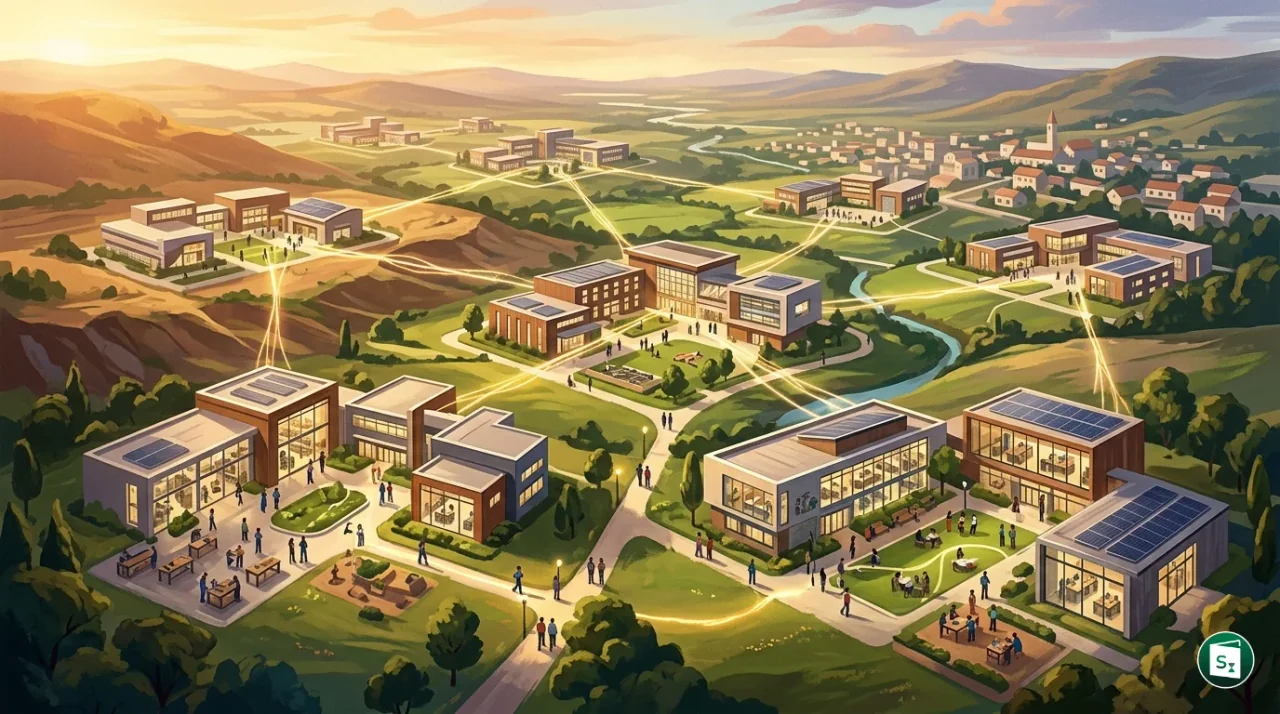
The Ministry of Skill Development and Entrepreneurship marked twelve years of its journey in shaping India’s skill ecosystem, showcasing a massive expansion in training infrastructure and digital reach. The milestone highlights the growth of Industrial Training Institutes from 9,776 in 2014 to over 13,888 by June 2026. This infrastructural and digital transformation is designed to align vocational training with industry demands, preparing the country’s youth for both domestic and global employment markets.
The 12-Year Journey of Skill India: Quantifiable Achievements
The establishment of the Ministry of Skill Development and Entrepreneurship on November 9, 2014, marked a significant shift in India’s policy focus toward creating a consolidated, industry-ready workforce. Prior to this, skill training initiatives were fragmented across various departments. To coordinate these efforts under a unified vision, the government launched the Skill India Mission (National Skills Development Mission) on July 15, 2015. Over the twelve-year period ending in June 2026, the ministry has scaled its operations to create one of the largest skill training networks in the world.
To track this transformation, the ministry released comprehensive data highlighting the reach of its flagship schemes. The Pradhan Mantri Kaushal Vikas Yojana, which serves as the primary skill certification scheme, has trained and certified millions of youth, while the apprenticeship program has bridged the gap between classroom instruction and on-the-job training. The following table details the key performance metrics achieved during this twelve-year journey:
| Indicator | Achievement | Core Purpose / Target |
|---|---|---|
| PMKVY Beneficiaries | Over 1.64 crore youth trained | Providing industry-relevant skill certification |
| Apprenticeship Engagement | Over 56.08 lakh apprentices engaged since 2016 | Enhancing workplace learning and industrial exposure |
| Skill India Digital Hub registrations | Over 1.5 crore candidates registered | Providing a unified digital platform for skill training and job matching |
| Skill India International Centres | 30 centres planned | Promoting international mobility and preparing workers for global standards |
| Industrial Training Institutes | Grown from 9,776 to over 13,888 | Expanding grassroots technical training infrastructure |
Transforming Vocational Infrastructure: The Role of ITIs
The cornerstone of India’s vocational training network is the system of Industrial Training Institutes. These institutes operate under the administrative guidance of the Directorate General of Training, which functions under the ministry. ITIs provide practical, skill-based education to school graduates, focusing on engineering and non-engineering trades to supply skilled technicians to domestic industries. By expanding the network of these institutes from 9,776 in 2014 to over 13,888 in 2026, the government has expanded vocational opportunities to rural, semi-urban, and remote regions.
To maintain uniform standards across these institutions, the National Council for Vocational Education and Training regulates the quality of qualifications. This regulatory framework ensures that the curriculum meets the requirements of the National Skills Qualification Framework. This framework classifies qualifications according to a series of levels of knowledge, skills, and aptitude. This structure ensures that a certificate from an ITI in any state is recognized and valued by employers across the country, enhancing worker mobility.
PM-SETU: Revamping ITIs Through the Hub-and-Spoke Model
To modernize the vocational training framework, the government is implementing the Pradhan Mantri Skilling and Employability Transformation through Upgraded ITIs scheme, which operates with a total financial outlay of ₹60,000 crore. This centrally sponsored scheme targets the transformation of 1,000 Government ITIs across the country. The initiative employs a hub-and-spoke model, under which 200 Hub ITIs are equipped with advanced infrastructure to mentor and support 800 Spoke ITIs in their respective regions, ensuring that technology and expertise are shared effectively.
A major feature of this program is the shift toward industry-led governance. The participating institutes are managed through Special Purpose Vehicles in collaboration with Anchor Industry Partners. This ensures that the training aligns closely with actual market needs. The modernization process includes setting up smart classrooms, modern laboratories, and digital content, alongside offering courses in new-age areas such as robotics, green energy, and the internet of things. Additionally, the scheme is upgrading five National Skill Training Institutes located in Bhubaneswar, Chennai, Hyderabad, Kanpur, and Ludhiana to serve as global Centres of Excellence, raising the benchmark for trainer training and advanced technical courses.
SARTHI Taskforce: Strengthening Governance and Quality
To institutionalize these reforms, the ministry has set up SARTHI (Strategic Advisory and Reforms Taskforce for Holistic ITI Transformation). This apex advisory panel was established under the Craftsmen Training Scheme to guide long-term policy reforms for the country’s vocational institutes. The panel held its inaugural meeting on June 12, 2026, at Vigyan Bhawan in New Delhi, under the chairmanship of the Union Minister of State (Independent Charge) for Skill Development and Entrepreneurship, Shri Jayant Chaudhary.
The taskforce is designed to address systemic issues in the vocational education ecosystem by focusing on curriculum relevance and quality assurance. Key areas of reform include updating the course material to reflect contemporary technological trends and strengthening industry engagement through partnerships. Additionally, the taskforce is responsible for implementing the National ITI Grading Framework to evaluate and rank institutions, alongside institutionalizing the Annual All India ITI Skill Competition to encourage competitive excellence among trainees.
Challenges and the Way Forward
Despite the massive expansion of the skilling ecosystem over the past twelve years, several structural challenges remain. The vocational training sector continues to struggle with a mismatch between industry requirements and the skills of graduates, leading to low placement rates in certain traditional trades. Furthermore, there has been a historical challenge in changing the public perception of vocational training, which is often viewed as a secondary option compared to formal university degrees. Improving the quality of trainers and ensuring that equipment in smaller institutes matches modern industrial standards are also critical concerns.
To address these challenges, the ministry is focusing on integrating digital technology and industry partnerships. The expansion of the Skill India Digital Hub is designed to streamline job matching and deliver industry-relevant courses online. Moving forward, the systematic implementation of the PM-SETU scheme and the active guidance of the SARTHI taskforce will be crucial in converting traditional ITIs into modern training hubs. By focusing on quality grading, active industry partnerships, and expanding global placement programs through initiatives like the Skill India International Centres, the government aims to position India as a global skill hub.
Key Takeaways
- The Ministry of Skill Development and Entrepreneurship was established on November 9, 2014, to coordinate and consolidate all skill development efforts across India.
- The Skill India Mission was officially launched on July 15, 2015, to create a cohesive national skilling ecosystem.
- The number of operational Industrial Training Institutes grew from 9,776 in 2014 to more than 13,888 by June 2026.
- The centrally sponsored PM-SETU scheme, with an outlay of ₹60,000 crore, utilizes a hub-and-spoke model to modernize 1,000 government ITIs.
- The SARTHI taskforce, established under the Craftsmen Training Scheme, convened its first meeting on June 12, 2026, under the chairmanship of Union Minister Jayant Chaudhary.
- More than 1.64 crore youth have been trained under the flagship Pradhan Mantri Kaushal Vikas Yojana since its inception.