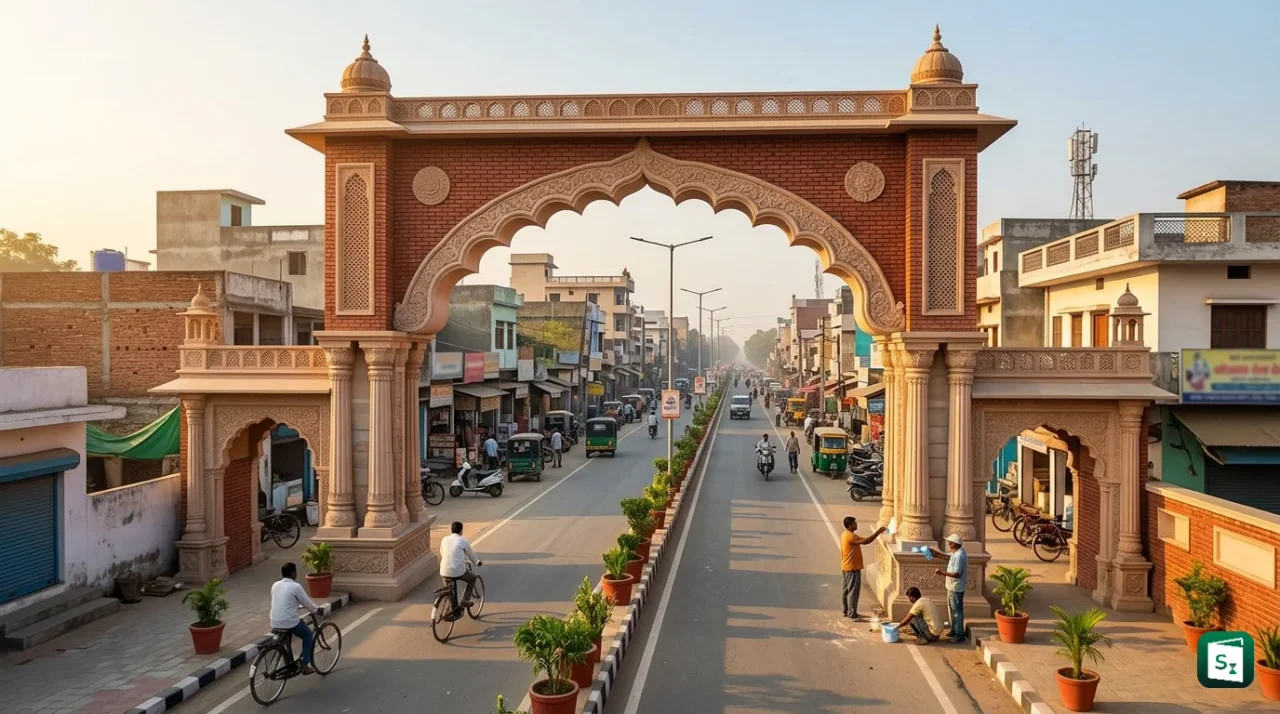
The Uttar Pradesh Cabinet, chaired by Chief Minister Yogi Adityanath, approved the renaming of Jalalabad town in Shahjahanpur district to Parashurampuri on July 6, 2026. The municipal body, previously called Jalalabad Nagar Palika Parishad, will now be known as Parashurampuri Nagar Palika Parishad. The decision follows years of local demand and a no-objection certificate from the Centre, linking the change to the town’s religious significance as the birthplace of Lord Parashuram.
What Was Announced
The proposal was one of 28 key proposals approved by the state cabinet during its meeting at the Chief Minister’s official residence at 5 Kalidas Marg in Lucknow. Deputy Chief Minister Brajesh Pathak confirmed the decision, stating that the people of the area had long demanded the name change because of the town’s association with Lord Parashuram.
Finance Minister Suresh Khanna, who represents the Shahjahanpur assembly constituency and has been a legislator from the area for nine consecutive terms, said the renaming was a long-pending demand. He noted that the state government had received the formal proposal on April 24, 2025, and forwarded it to the Centre on June 27, 2025. The Ministry of Home Affairs, then led by Home Minister Amit Shah, issued a no-objection certificate on August 19, 2025.
After the Centre’s approval, Union Minister and Pilibhit MP Jitin Prasada, who hails from Shahjahanpur, welcomed the decision, calling it a proud moment for the Sanatani community. Alongside the renaming, the cabinet also approved the Uttar Pradesh Startup Policy 2026, a Data Centre Policy, and the establishment of two new government medical colleges in the state.
Why Jalalabad Was Renamed
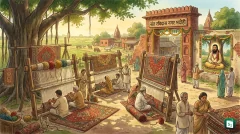
Jalalabad is believed to be the birthplace of Lord Parashuram, the sixth avatar among the Dashavatara (ten incarnations) of Lord Vishnu. An ancient temple dedicated to the warrior sage exists in the town, and the Uttar Pradesh government had already declared the site as Parashuram Janmabhoomi.
The name Jalalabad itself traces back to the Mughal period, around 1560. The town is widely believed to have been named after the Mughal emperor Jalaluddin Muhammad Akbar, commonly known as Akbar. Residents and local bodies had for years demanded that the Mughal-era name be replaced with one rooted in indigenous heritage and local faith.
The Shahjahanpur Municipal Council first passed a resolution in favour of renaming in March 2018, and again in September 2023. The district administration then forwarded the proposal to the state government, which sought the Centre’s approval. The Ministry of Home Affairs, after consulting agencies such as the Survey of India, Department of Posts, and Ministry of Railways, issued a no-objection certificate in August 2025.
Who Is Lord Parashuram?
Parashuram, which means “Rama with the axe”, is one of the seven Chiranjeevis (immortal beings) in Hindu mythology. He is the son of sage Jamadagni and Renuka. Unlike other avatars of Vishnu, Parashuram is a Brahmin warrior who is said to have rid the world of oppressive Kshatriya rulers 21 times. He is believed to still live in penance on the Mahendra Mountains and will reappear at the end of the Kali Yuga as the guru of Kalki, the tenth and final avatar of Vishnu.
The Procedure for Renaming Towns in India
Renaming a town or city in India follows a well-defined administrative procedure. While the Constitution does not contain a specific provision for renaming cities, the process has been guided by a 1953 circular from the Ministry of Home Affairs, which was reissued in 2005.
The process begins with a local body resolution, where the municipal council passes a resolution in favour of the name change. The proposal then moves to the district administration, which verifies local support and sends it to the state government. The state cabinet reviews and approves the proposal before forwarding it to the Ministry of Home Affairs. At the Centre, the MHA consults agencies including the Survey of India, the Department of Posts, and the Ministry of Railways to ensure no duplicate names exist. If satisfied, the MHA issues a no-objection certificate. Finally, the state government issues a gazette notification in Hindi, English, and regional languages, after which the new name takes legal effect.
In this case, the process took about eight years from the first municipal resolution in 2018 to the cabinet approval in 2026. The state is now expected to issue the gazette notification to formally complete the renaming.
Broader Trend of Renaming in Uttar Pradesh
The renaming of Jalalabad is part of a broader pattern of place name changes in Uttar Pradesh since 2017. The state has witnessed several high-profile rechristenings aimed at replacing names associated with the Mughal period with those rooted in Hindu tradition or local heritage.
Some notable examples include:
| Old Name | New Name | Year |
|---|---|---|
| Allahabad | Prayagraj | 2018 |
| Faizabad district | Ayodhya | 2018 |
| Mughalsarai town | Deen Dayal Upadhyaya Nagar | 2018 |
| Faizabad division | Ayodhya division | 2019 |
| Fazil Nagar (Kushinagar) | Pawagarh | 2026 |
Earlier in 2026, the Yogi Adityanath government also approved the renaming of Fazil Nagar in Kushinagar district to Pawagarh, in honour of Jain Tirthankar Lord Mahavir. The town Akbarpur in Ambedkar Nagar district is also proposed to be renamed Lohia Nagar after socialist leader Dr. Ram Manohar Lohia.
Supporters of these changes argue that they restore historical and cultural identities. Critics, however, view them as politically motivated exercises, especially in the run-up to state elections. The Jalalabad renaming comes just months before the scheduled Uttar Pradesh assembly elections, adding to the political context surrounding the decision.
Key Takeaways
- The Uttar Pradesh Cabinet approved renaming Jalalabad town in Shahjahanpur district to Parashurampuri on July 6, 2026.
- The municipal body will be renamed Parashurampuri Nagar Palika Parishad.
- The renaming is based on the belief that Jalalabad is the birthplace of Lord Parashuram, the sixth avatar of Vishnu.
- The name Jalalabad originated from Mughal emperor Jalaluddin Muhammad Akbar and the town was established around 1560.
- The first resolution for renaming was passed by the Shahjahanpur Municipal Council in March 2018, with the Ministry of Home Affairs issuing a no-objection certificate in August 2025.
- The Ministry of Home Affairs is the nodal agency for approving renaming proposals, consulting the Survey of India, Department of Posts, and Ministry of Railways before granting an NOC.