The Department of Posts, in collaboration with IndiGo, organised Digital Detox 2.0, the second edition of its in-flight postcard writing activity. The campaign ran across 15 flights covering 11 destinations around the Diwali festive season and let passengers send handwritten Diwali greetings to family and friends. It builds on an earlier October edition and seeks to revive letter writing while encouraging travellers to take a short break from screens.
What Is Digital Detox?
The Department of Posts describes digital detox as a voluntary pause from phones, social media and other screens to restore attention and calm. A digital detox means limiting notifications, scrolling and messaging for a set period and using that time for rest, family conversation, mindfulness or writing by hand.
Digital detoxification is also called phone detox, tech detox or social media detox. It does not require giving up all devices. Many studies link lower screen time with sharper focus, lower stress, better sleep and stronger face to face relationships. The campaign uses this idea in a light, festive form. Instead of asking flyers to switch off for days, it offers them one flight to put the phone aside and write a postcard.
What Happened Under Digital Detox 2.0?
The Ministry of Communications announced the campaign on 10 November 2026. The Department of Posts ran it with IndiGo as the airline partner. It was the second edition of the in-flight postcard writing activity and coincided with Diwali travel, when many passengers fly home for the festival.
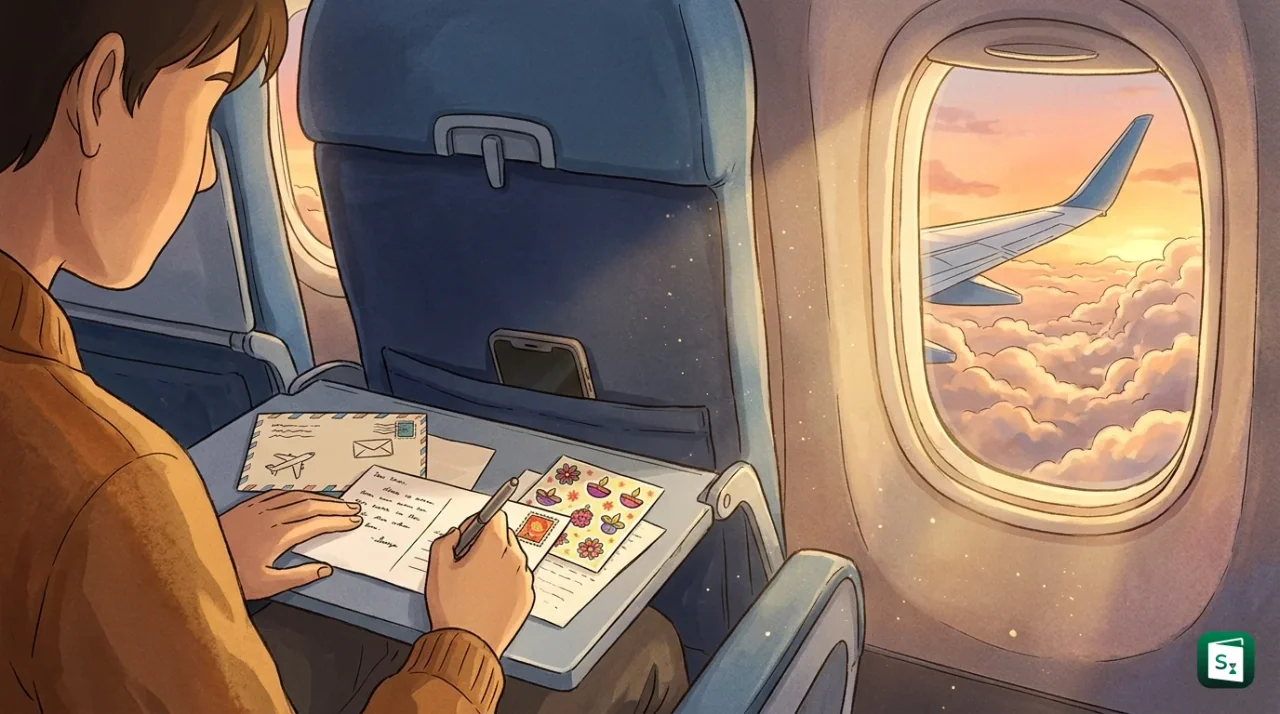
Each participating passenger received a specially designed Digital Detox kit. The kit contained postcards, greeting cards and do it yourself postcards along with Diwali stickers. Passengers could decorate the cards and write personal festive messages during the flight.
The Department said the aim was to bring letter writing into the aircraft cabin and show the charm of personal correspondence in a digital age. Several passengers called writing at 30,000 feet a memorable experience. One first time writer said a handwritten note felt special in an age of instant messages, while another said a postcard carried more warmth than a digital greeting.
Eleven Destinations Covered Across 15 Flights
The Department of Posts confirmed that Digital Detox 2.0 covered 15 IndiGo flights connecting 11 destinations. These routes link large metros with important regional centres that see heavy festive traffic.
| Region | Destinations Covered |
|---|---|
| North India | Delhi, Chandigarh, Jaipur, Varanasi |
| East and Northeast India | Kolkata, Ranchi, Bagdogra |
| West India | Mumbai, Ahmedabad, Pune, Goa |
Bagdogra serves Siliguri and the Darjeeling hills in West Bengal. Ranchi is the capital of Jharkhand. Varanasi and Jaipur draw large numbers of festive and pilgrim travellers. The mix shows the intent to reach both metro flyers and passengers flying to smaller cities for Diwali.
How the First Edition During National Postal Week Paved the Way
The first Digital Detox campaign took place on 12 October 2026. The Department of Posts held it on Philately Day, which falls during National Postal Week observed from 9 to 15 October every year. Philately is the collection and study of postage stamps, and the day promotes stamp collecting among students and the public.
The inaugural edition covered select IndiGo flights connecting six metros. These were Bengaluru, Delhi, Hyderabad, Kolkata, Mumbai and Chennai. Passengers received kits with postcards that showed iconic landmarks from these cities. After writing, travellers dropped the cards into specially placed India Post letter boxes at arrival airports for onward delivery.
The response encouraged the Department to plan a second, festive edition. While the first edition stressed city heritage and stamp collecting, Digital Detox 2.0 shifted the theme to Diwali greetings and added greeting cards and sticker based DIY cards.
Why Handwritten Postcards Still Matter for Wellbeing
The Department of Posts links the campaign to mindful use of technology. Short breaks from constant notifications can improve attention and reduce mental fatigue. Writing by hand forces a slower pace. It helps travellers reflect, frame a clear message and feel more present during the journey.
Handwritten mail also carries emotional value. A postcard needs time, choice of words and physical effort, so receivers often treat it as more thoughtful than a forwarded image. For Diwali, when many families exchange greeting cards, a card written at 30,000 feet becomes a keepsake. The campaign therefore connects an old habit with a current concern about excess screen time and weaker face to face contact.
Who Runs India Post and What Is IndiGo’s Role?
The Department of Posts functions under the Ministry of Communications. The Ministry has two departments, the Department of Posts and the Department of Telecommunications. The Postal Services Board, headed by the Chairperson with seven members, is the apex management body of the Department.
India Post, the public postal brand of the Department, traces its formal start to 1 October 1854 when regular postal services were placed under a Director General. Its headquarters is at Dak Bhawan in New Delhi. With more than 1.64 lakh post offices, including about 1.49 lakh rural offices, it runs the largest postal network in the world. Parliament has replaced the old Indian Post Office Act, 1898 with the Post Office Act, 2023, which governs postal services today. The Department also runs the India Post Payments Bank for banking and small savings outreach.
Why IndiGo Was Chosen as Partner
IndiGo is India’s largest passenger airline by domestic market share, holding more than 60 percent of domestic traffic in recent years. The airline was founded in 2005 by Rahul Bhatia and Rakesh Gangwal and started operations on 4 August 2006. It is headquartered in Gurugram, Haryana and operates under parent company InterGlobe Aviation Limited. Its large daily network made it possible to reach flyers on many routes at the same time during the festival rush.
Key Takeaways
- Digital Detox 2.0 was organised by the Department of Posts with IndiGo as the second edition of the in-flight postcard writing activity.
- The campaign ran across 15 IndiGo flights covering 11 destinations including Delhi, Mumbai, Kolkata, Jaipur and Varanasi during the Diwali season.
- Passengers received Digital Detox kits with postcards, greeting cards, DIY postcards and Diwali stickers to write personalised festive messages.
- The first Digital Detox campaign was held on 12 October 2026 on Philately Day during National Postal Week (9 to 15 October) across six metros.
- The Department of Posts, established on 1 October 1854 and headquartered at Dak Bhawan, New Delhi, works under the Ministry of Communications.